
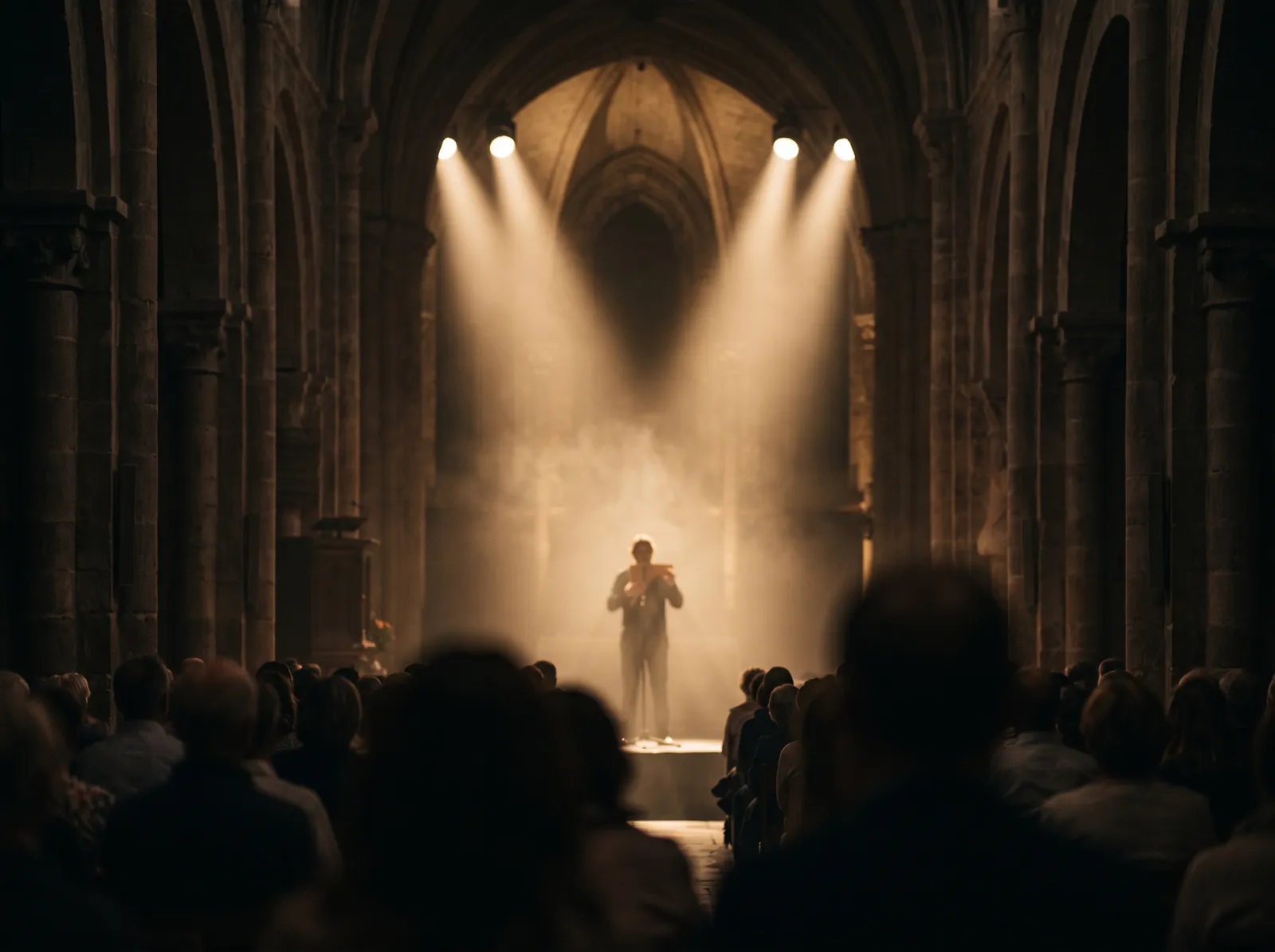
The art of mastery
The pan flute has no keys, frets or valves. Everything the listener hears is breath, ear and years of practice. That is exactly why the difference between a player and a master is audible from the very first note.
What makes a master a master
A simple melody can be played on the pan flute after a few weeks. But mastery lies elsewhere: in clean intonation without a single key, in semitones shaped by the tilt of the instrument and the jaw, in vibrato carried by the breath and in phrasing that turns a row of notes into song.
A master must be both a singer and a breather. The instrument forgives nothing - every hesitation of the breath is heard. The reward is an expression few instruments offer: from a whisper to a tone that carries an entire hall.
- Intonation without keys - pitch is tuned by technique and hearing alone
- Breath like a bow - dynamics, vibrato and tone colour arise in the lungs and diaphragm
- Phrasing and expression - the melody must breathe like a human voice
- A repertoire from folklore to film music and the classics
Gheorghe Zamfir, the “Master of the Pan Flute”
The best-known name belongs to the Romanian school. Gheorghe Zamfir (b. 1941, Găești) turned the folk nai into a virtuoso concert instrument and became the most famous populariser of the pan flute in the 20th century - the world calls him the “Master of the Pan Flute”.
He was discovered for a world career by the Swiss ethnomusicologist Marcel Cellier. Zamfir's piece The Lonely Shepherd, recorded in 1977 with the James Last Orchestra, returned to the screen years later in Tarantino's Kill Bill. For Ennio Morricone, Zamfir recorded the flute parts for the film Once Upon a Time in America, and his music also sounds in Picnic at Hanging Rock and The Karate Kid.
Zamfir also advanced the instrument itself: the standard nai has 20 pipes, his concert versions carry 22 to 30.
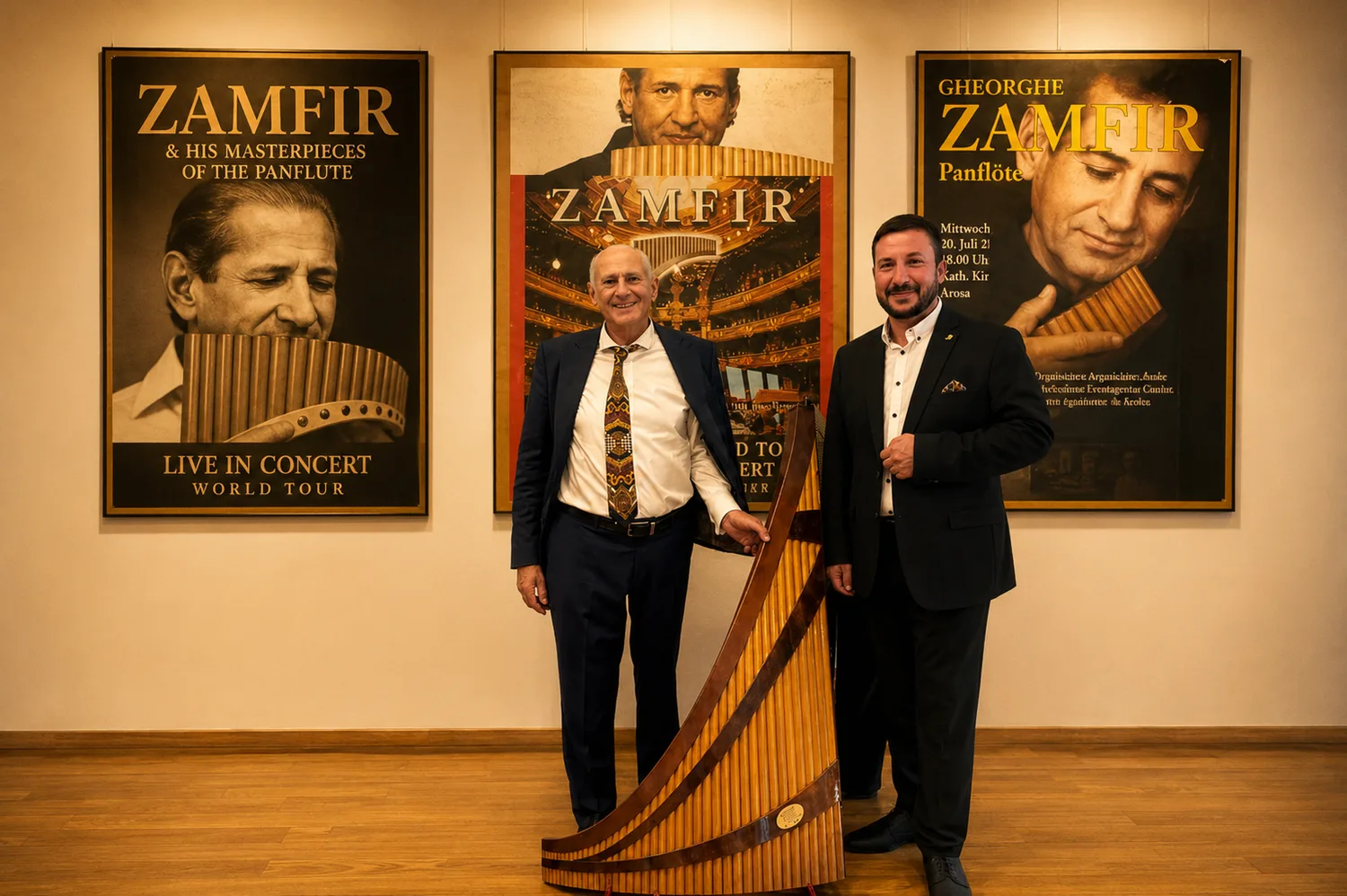
Petr Tomeček with Maestro Gheorghe Zamfir, Centrul Cultural Gheorghe Zamfir, Găești (September 2024).
A meeting with the Maestro
In September 2024 Petr Tomeček visited Maestro Zamfir in his native Găești - at the Centrul Cultural Gheorghe Zamfir museum, which maps the Maestro's life story. A year later he gave the Czech premiere of Zamfir's piece Birds of Winter, accompanied by a symphony orchestra at the château in Jindřichův Hradec.
“The Maestro passed on to me an incredible dose of energy, inspiration and courage. He opened my eyes to what it means to truly create,” Petr recalls of the meeting with the legend.
Frequently asked questions about the masters
The most famous pan flute player is the Romanian Gheorghe Zamfir (born 1941), nicknamed the “Master of the Pan Flute”. He turned a folk instrument into a virtuoso concert instrument and became its most famous populariser of the 20th century.
Gheorghe Zamfir recorded the flute parts for Ennio Morricone's film Once Upon a Time in America (1984). His 1977 piece The Lonely Shepherd was heard in Tarantino's Kill Bill. He also contributed to Picnic at Hanging Rock and The Karate Kid.
The only Czech professional pan flute player is Petr Tomeček, ambassador of the instrument in Czechia and Slovakia. He studied at the Janáček Conservatory in Ostrava and has devoted himself to the pan flute for almost ten years.
The pan flute has no keys, frets or valves, so clean intonation depends on breath and hearing alone. The player shapes semitones and fine shades of pitch by tilting the instrument and moving the jaw; expression and vibrato arise from the work of the breath.
Content verified from trustworthy sources; last reviewed July 24, 2026.
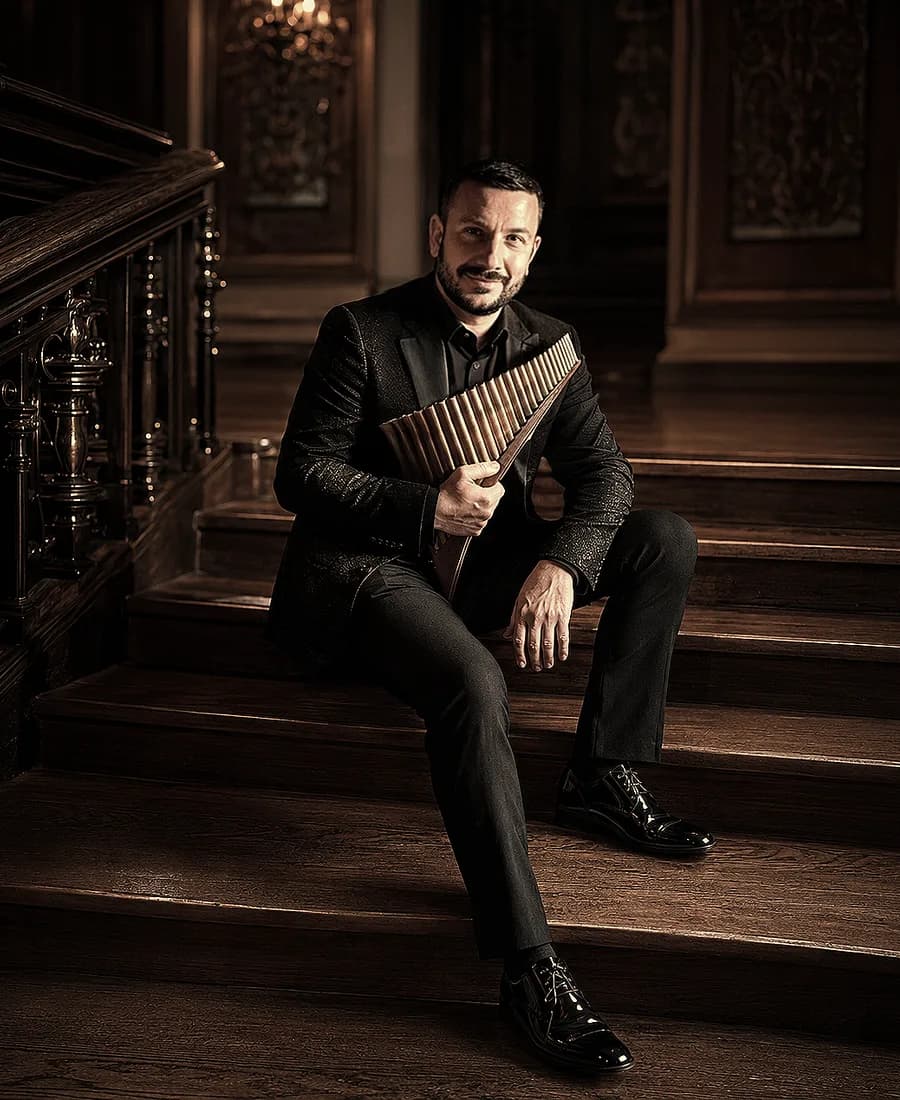
The only Czech player and ambassador of the instrument
The world tradition has a Czech chapter too. Your guide to the pan flute here is Petr Tomeček - the only Czech professional player of this instrument and its ambassador in Czechia and Slovakia.